Itinerary : Lautoka, Ambrym Island, Ureparapara, Santa Ana, Roderick Bay, Rabaul, Chuuk Island, Pulap Island, Guam


Le Soleal
16 d
Ocean view Stateroom
Lautoka
02/22/2027
from
US$ 11,784

2 cruises found
A cruise in Micronesia is for travelers seeking a less-visited side of the Pacific, far from the major mainstream routes.
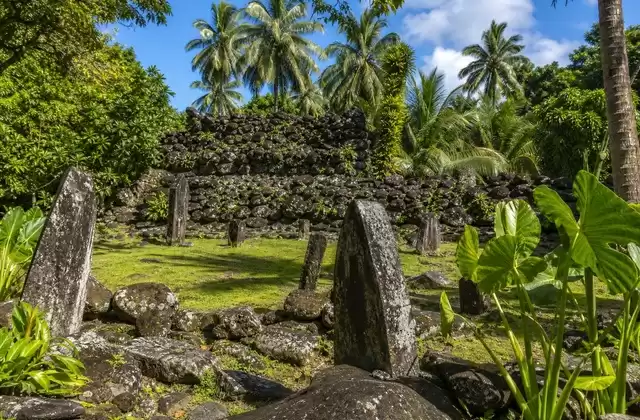
With the wrecks of Chuuk Lagoon, the mysterious ruins of Nan Madol in Pohnpei, Yap's traditions, and Kosrae's lush landscapes, the journey takes on a distinctly maritime, cultural, and nature-focused character.
Here, the experience is less about easily accessible beaches and more about a sense of isolation, lagoons, villages, Zodiac excursions, diving, and ports of call visited by few ships.
Your search criteria:
Micronesia
Itinerary : Lautoka, Ambrym Island, Ureparapara, Santa Ana, Roderick Bay, Rabaul, Chuuk Island, Pulap Island, Guam


Le Soleal
16 d
Ocean view Stateroom
Lautoka
02/22/2027
from
US$ 11,784
Itinerary : Lautoka, Ambrym Island, Santa Ana, Roderick Bay, Njari Island, Rabaul, Chuuk Island, Pulap Island, Lamotrek, Ifalki, Guam


Le Jacques Cartier
17 d
Balcony Stateroom
Lautoka
02/20/2027
from
US$ 16,433
| Season | Weather & swimming | Expert advice |
|---|---|---|
January–April & December | Conditions are often more stable. Rain is still possible, but the seas are generally calmer and visibility may be better for diving. | This is the best time for a cruise in Micronesia, especially if the itinerary includes Chuuk, Yap, or marine excursions. |
May–June | Still a worthwhile time to visit, although some islands are more humid. There can still be plenty of fine weather, with more frequent tropical showers and warm conditions. | A good option if a rarely offered or well-timed itinerary is available, but travelers should be prepared for changeable weather. |
July–October Hot, tropical, and more variable. Rain is more frequent in several areas, and conditions can sometimes be less favorable for boat trips. Approach this period with caution if your priorities are diving, shore landings, or long boat trips. | ||
November | The weather is still wet but often more favorable than in midsummer. Conditions may gradually improve depending on the islands and itineraries. | A viable time for flexible travelers, especially if the cruise itinerary is carefully designed around variable local conditions. |
In Micronesia, the highlights often center on the ocean, local culture, and the rarity of the ports of call. Travelers come less for entertainment than for the feeling of reaching a remote, uncommercialized Pacific that varies greatly from island to island.

In Chuuk Lagoon
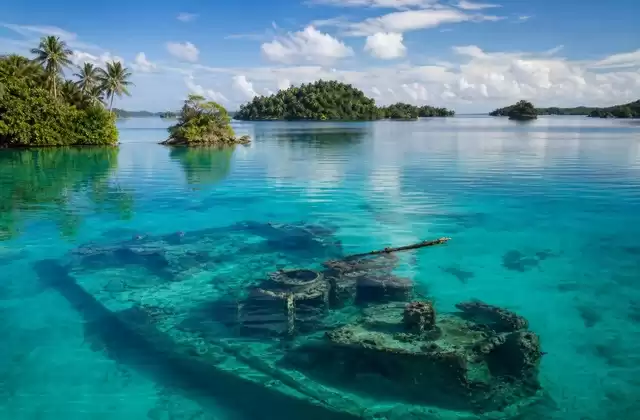
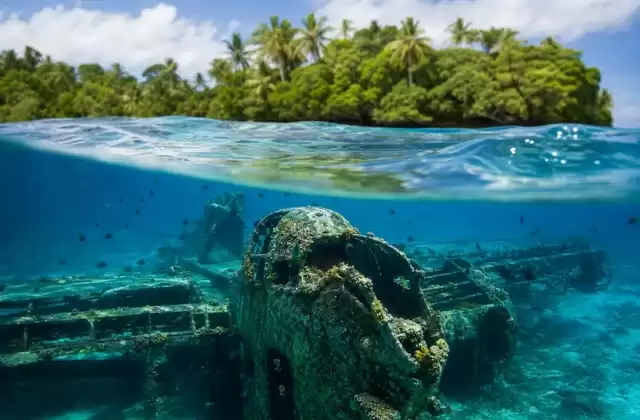
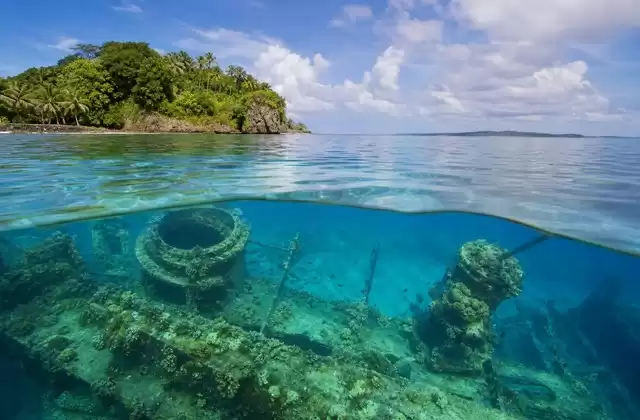
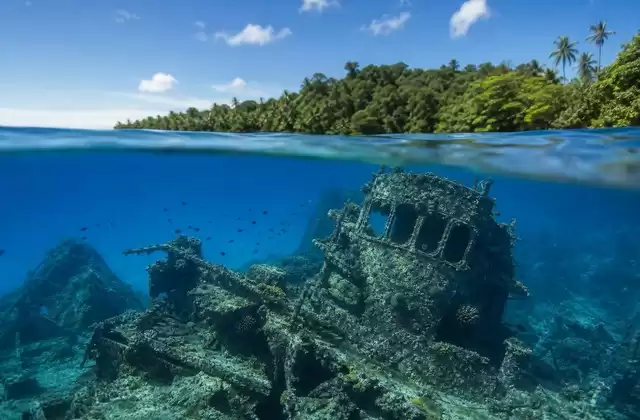
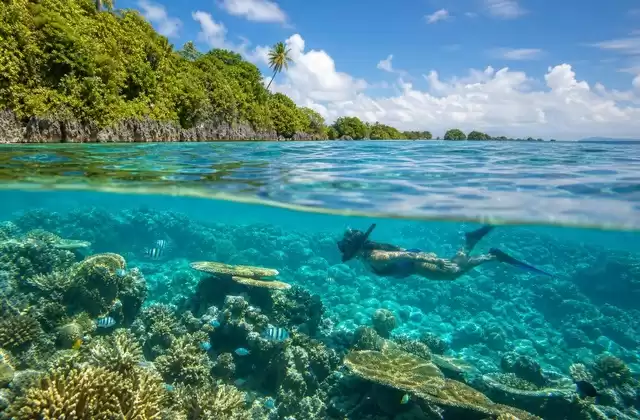
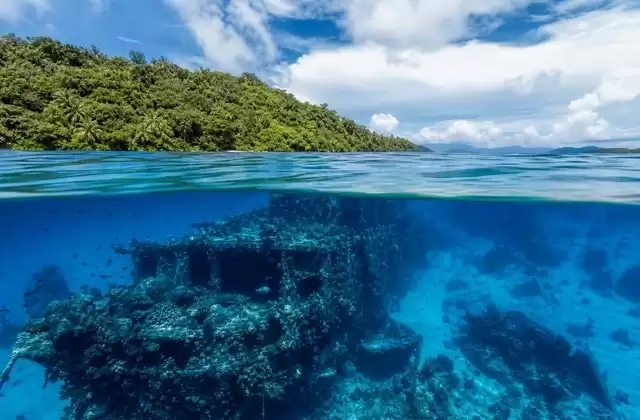
The wrecks of Truk Lagoon form one of the world's best-known wreck-diving sites.

In Yap
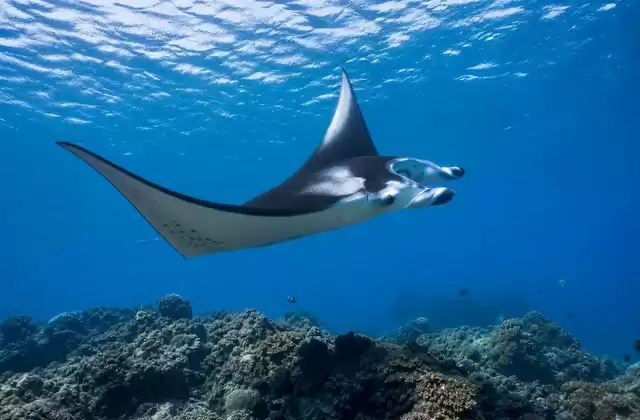
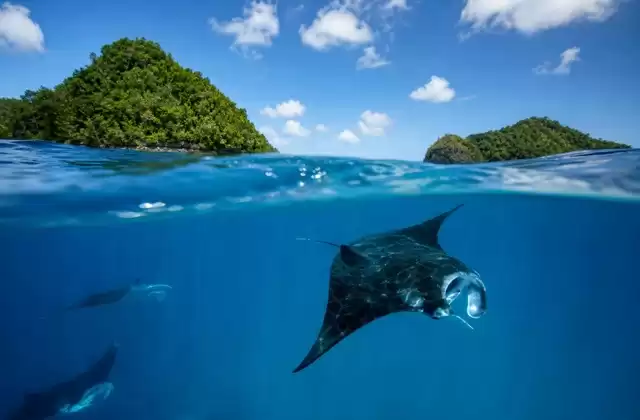
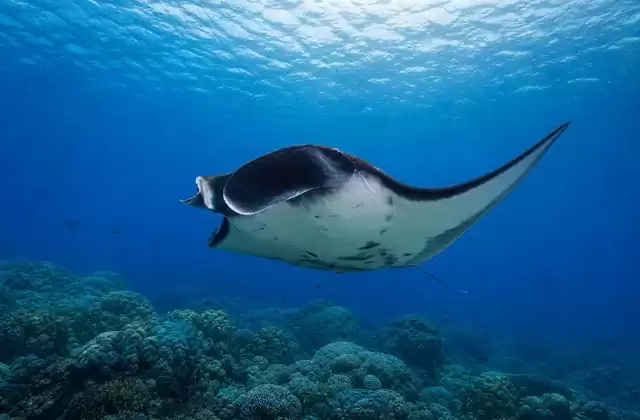
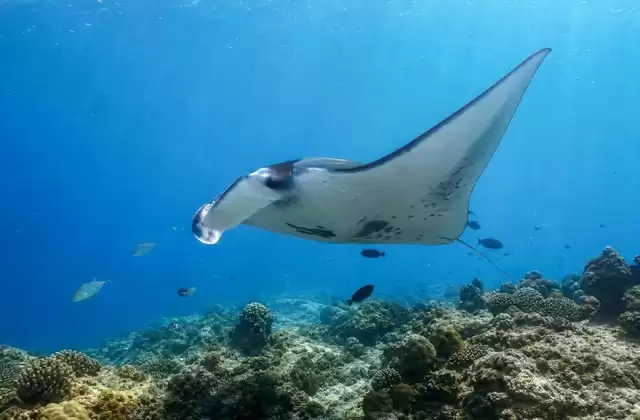
The manta ray channels attract travelers with a passion for observing marine life.

In Kosrae
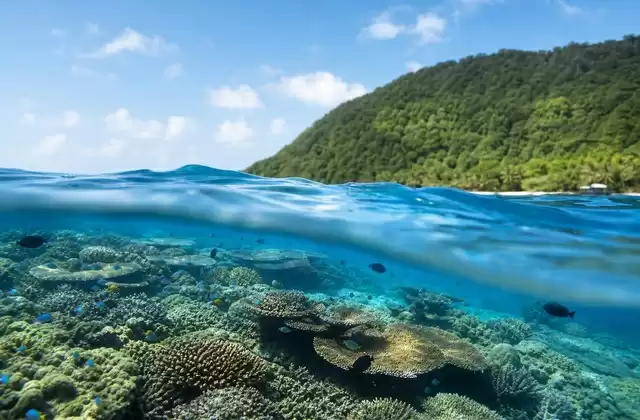
The reefs offer a more off-the-beaten-path experience in a quiet, uncrowded setting.

In Pohnpei
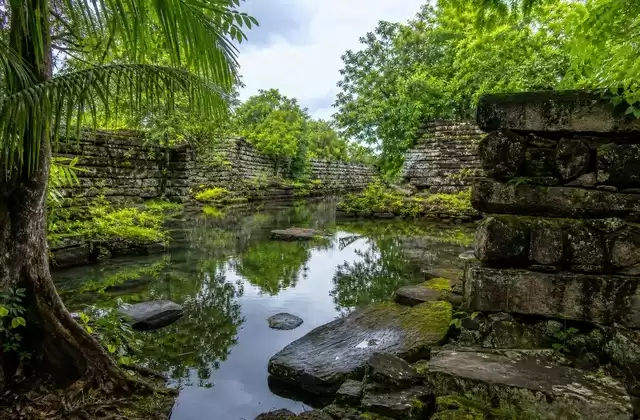
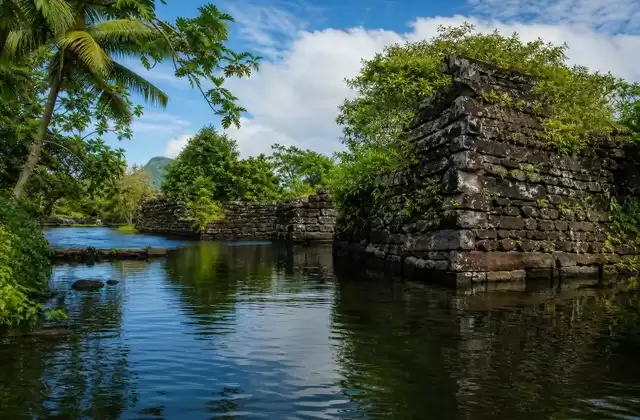
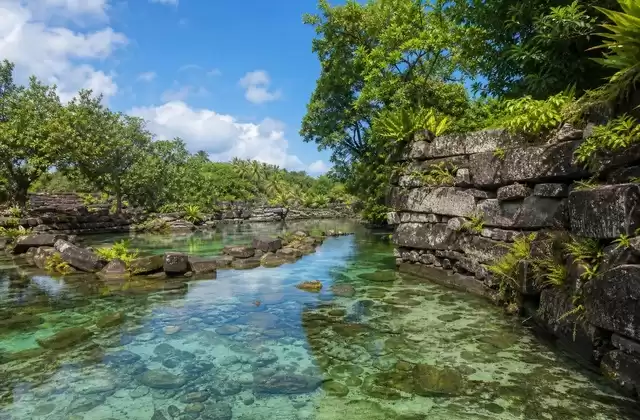
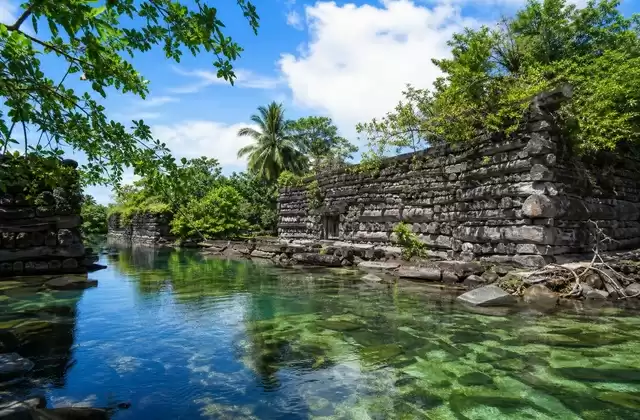
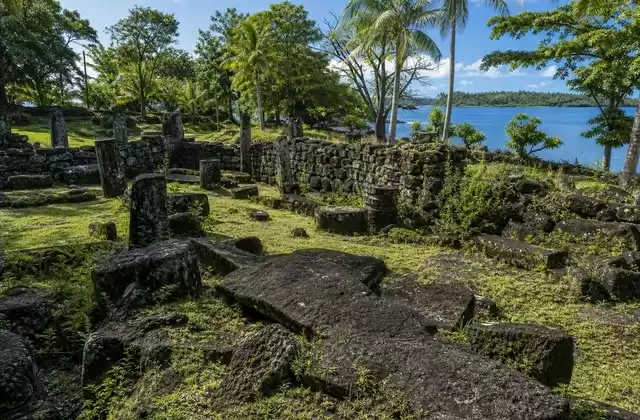
Nan Madol remains the most impressive site for gaining insight into the archipelago's ancient history.

In Yap
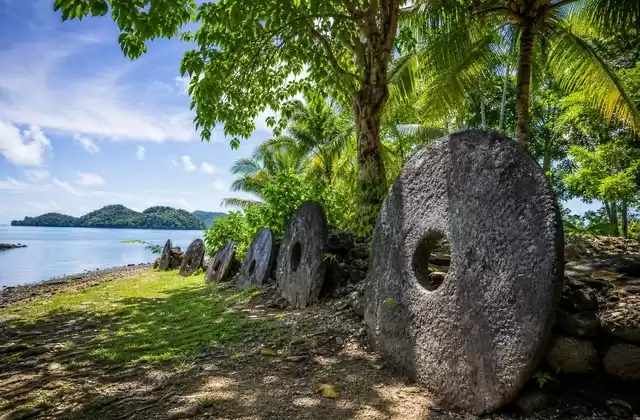
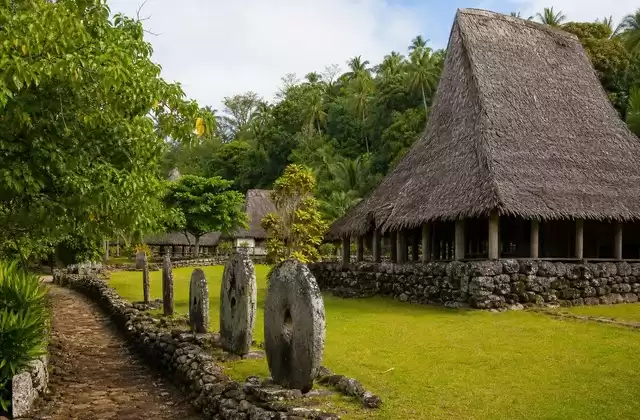
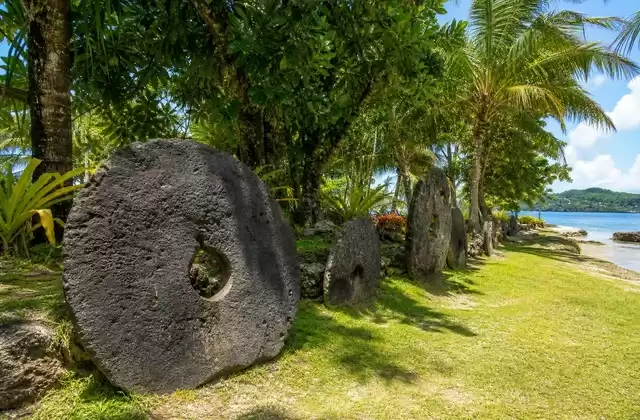
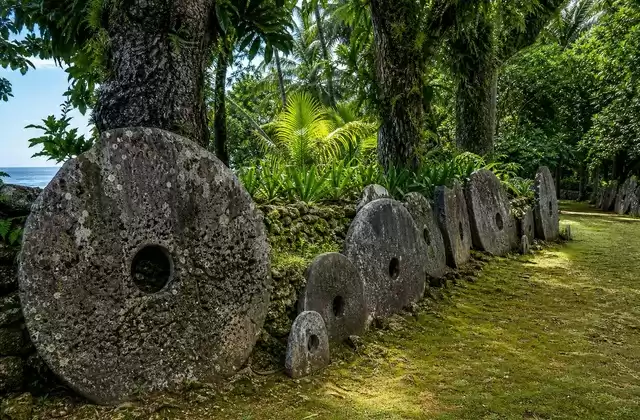
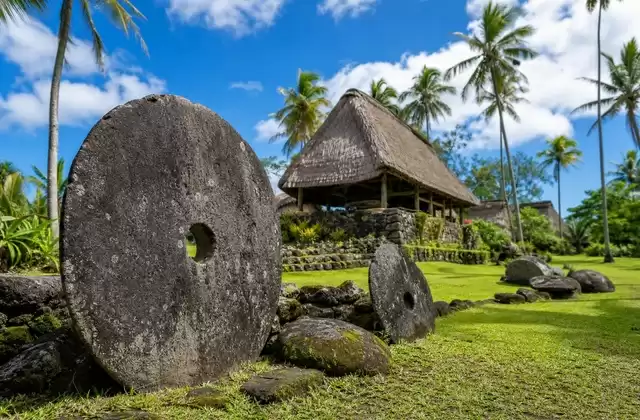
Stone money and traditional villages give this port call a highly distinctive character.

In Kosrae
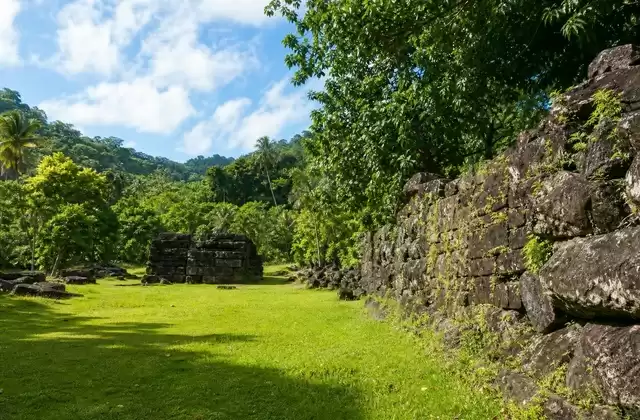
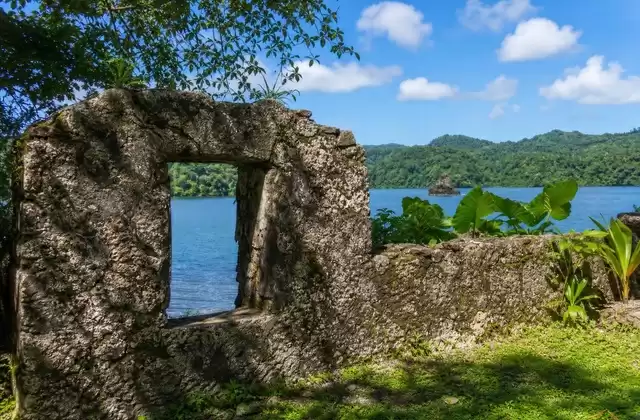
The ruins of Lelu remind us that these small islands also have a complex political and cultural history.

In Pohnpei
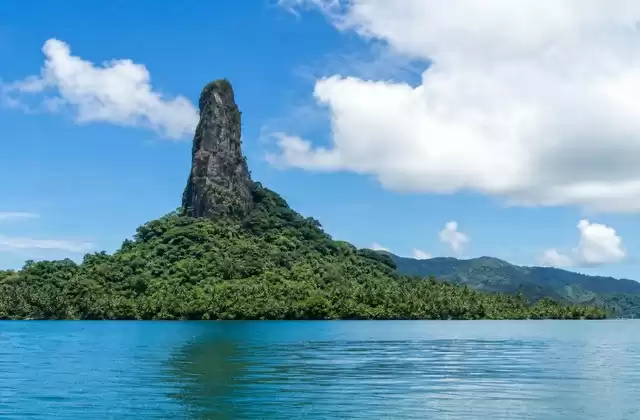
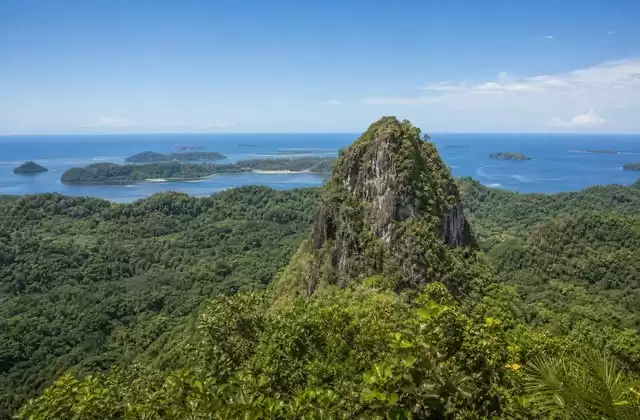
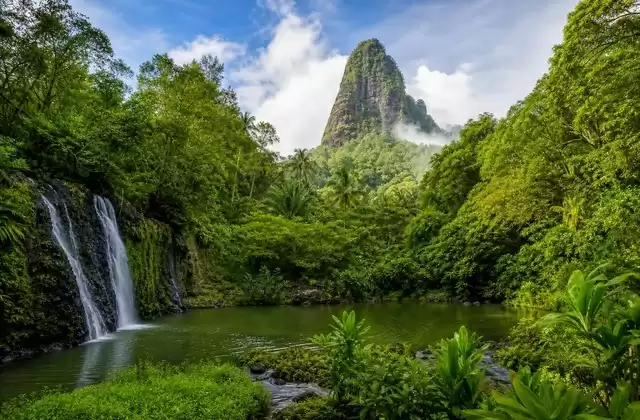
Sokehs Rock and the waterfalls offer lush views framed by volcanic terrain and tropical forest.

In Chuuk
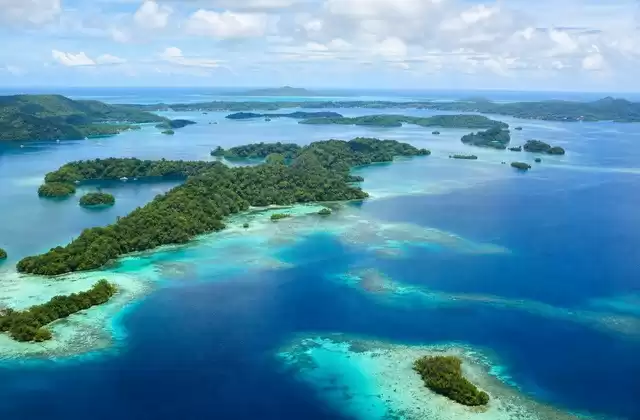
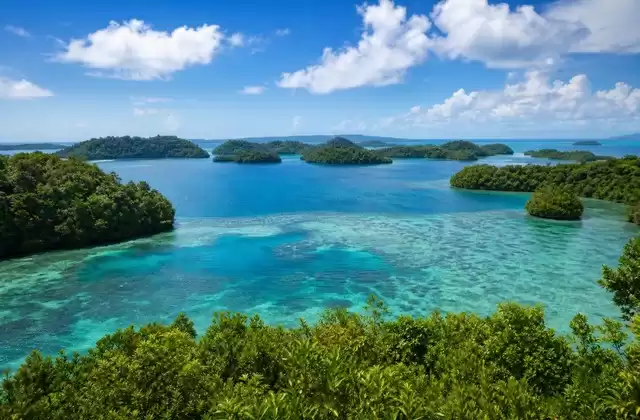
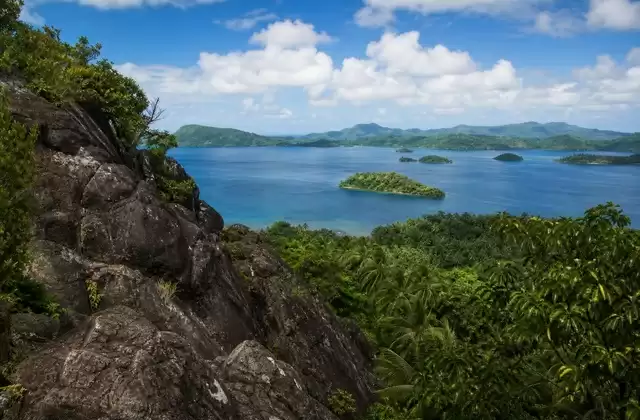
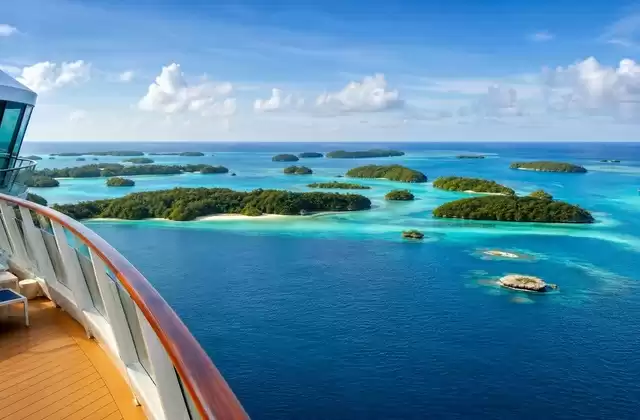
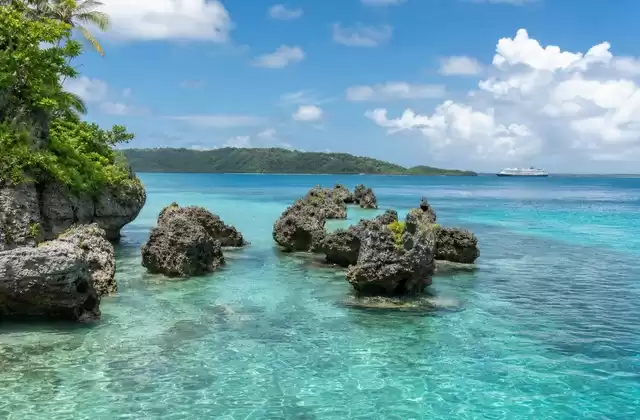
The lagoon's islets create a distinctive maritime setting, especially when seen from the ship's deck.

In Kosrae
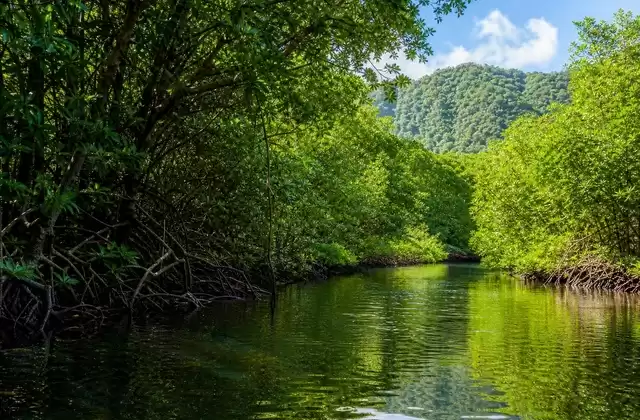
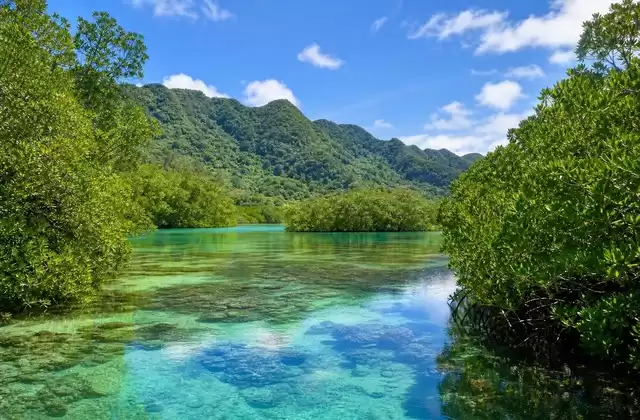
Mangroves, ridges, and clear waters present a more peaceful side of Micronesia.

In Pohnpei
The combination of the port, jungle, ruins, and tropical rain gives the call a distinctly remote feel.

In Yap
The strong cultural focus makes this port call very different from a simple beach day.

In Chuuk
Its underwater history turns the voyage into an exploration of maritime history and remembrance.
Explore Chuuk Lagoon, between a calm lagoon and historic wrecks
Chuuk Lagoon leaves a lasting impression with its unique atmosphere. Even without being an expert diver, you can feel the power of the place: a vast lagoon, islets, an ever-present maritime history, and underwater sites that lend the port call uncommon depth.
Discover Nan Madol amid Pohnpei's vegetation
Nan Madol often stands out as one of the most surprising moments of a Micronesia cruise. Travelers appreciate the contrast between the basalt walls, canals, humid jungle, and the feeling of exploring an ancient site that remains deeply mysterious.
Experience Yap through its stone money and traditions
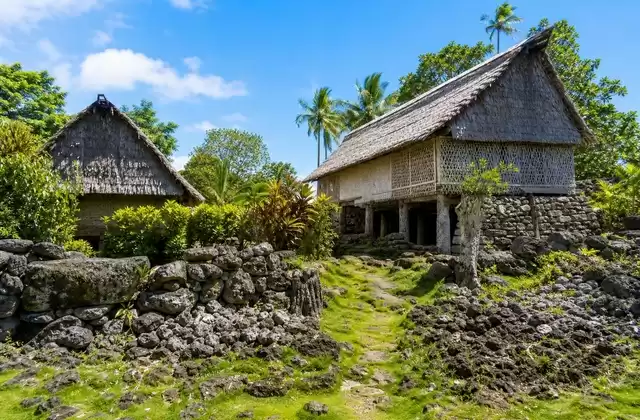
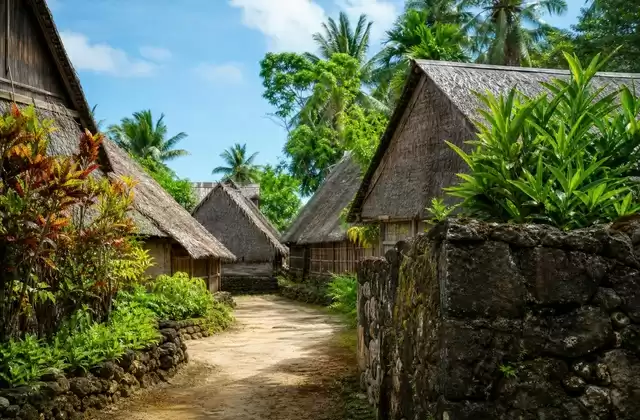
Yap offers a port call far removed from the usual images of the Pacific. Travelers remember the stone money, community meeting houses, traditional paths, and the feeling of encountering an island culture that retains a strong identity.
Stop in Weno to experience everyday life in Chuuk
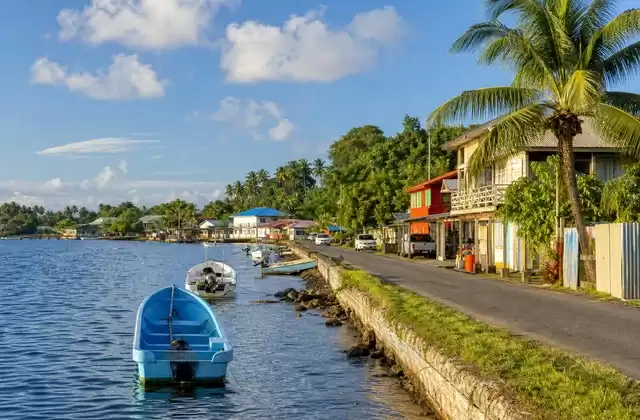
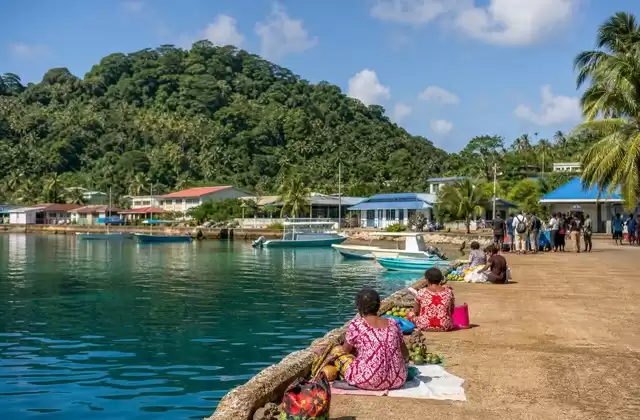
Beyond the wrecks, Weno offers a more down-to-earth view of Chuuk. Travelers who take the time to visit remember the port, small roads, markets, and understated island life—a reminder that the lagoon is also home to local communities.
Seek out Pohnpei's waterfalls after Nan Madol
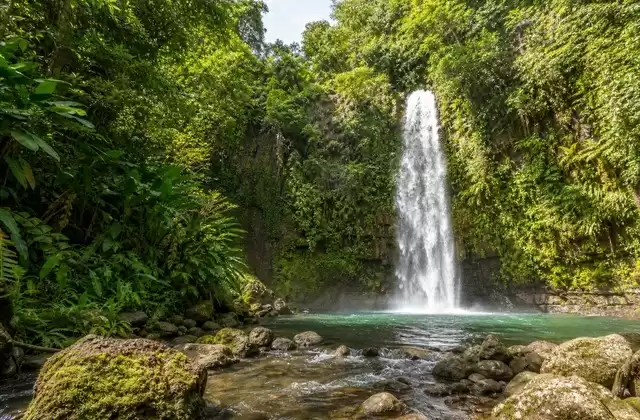
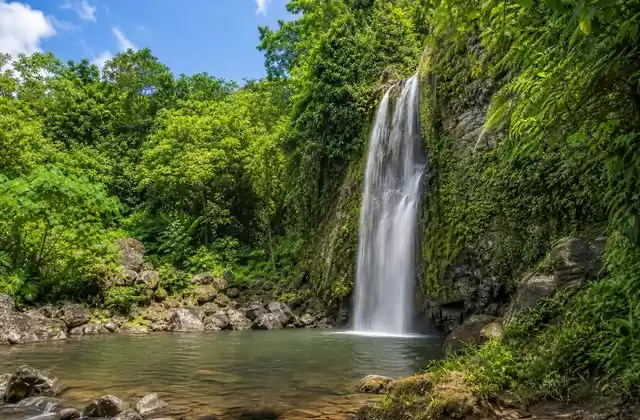
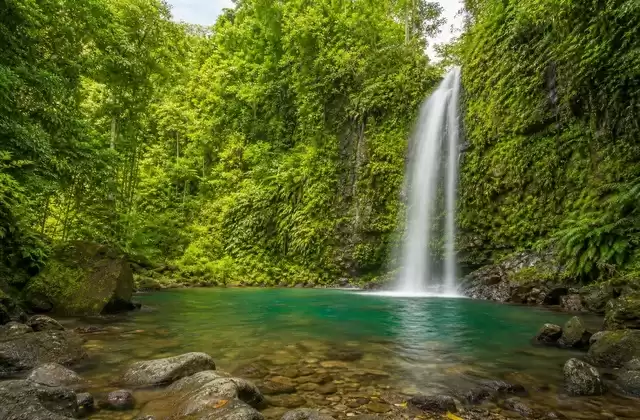
Pohnpei is more than its archaeological site. Travelers often enjoy extending their port call with a visit to a waterfall such as Kepirohi, where they can reconnect with the island's dense vegetation, tropical humidity, and volcanic terrain.
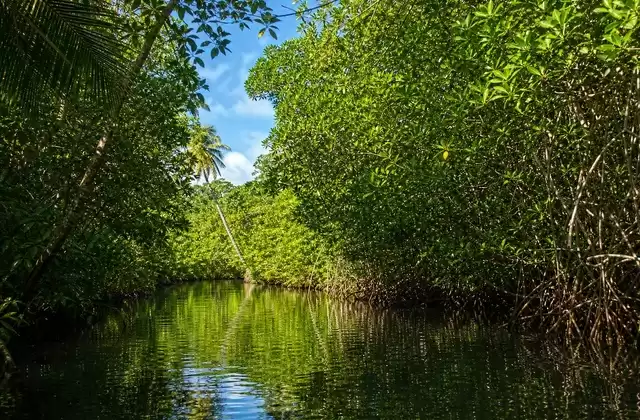
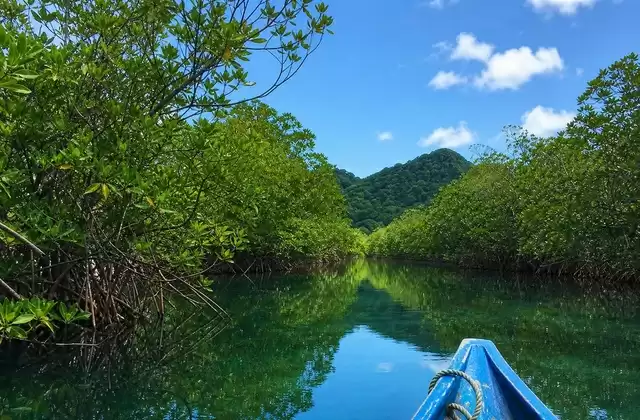
Cruise through Kosrae's mangroves
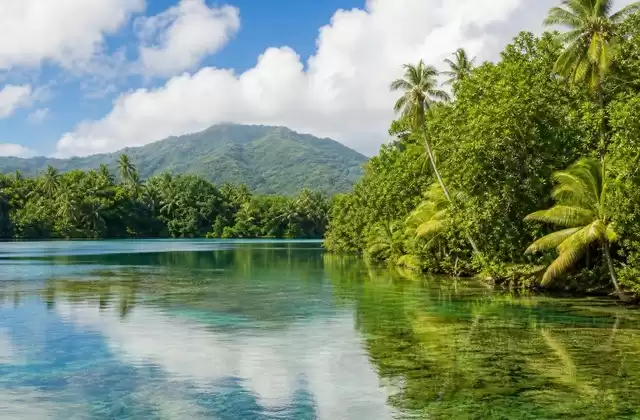
In Kosrae, the mangroves offer a leisurely experience that may seem understated at first, but is much appreciated for its tranquility. Travelers discover another kind of beauty in the green channels, silence, roots, birds, and closeness to the local ecosystem.
The island of Pohnpei, nicknamed the Green Island, gives you a glimpse of the lush face of the country. At Kepirohi in the province of Madolenihmw, this verdant nature is sublimated by waterfalls that rank among the most beautiful in the country, to be discovered during a hike. In Micronesia, the call of the sea is irresistible. In the heart of these tiny islands, diving is king. The country offers a wide range of diving spots. In Yap, you can swim with manta rays, thread your way through caves and tunnels, encounter schools of tropical fish and get up close and personal with sea turtles.
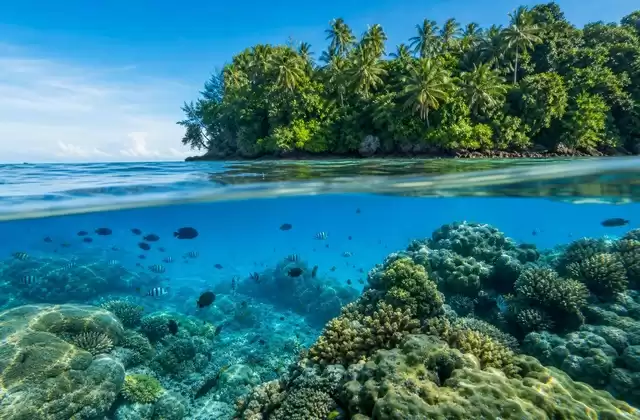
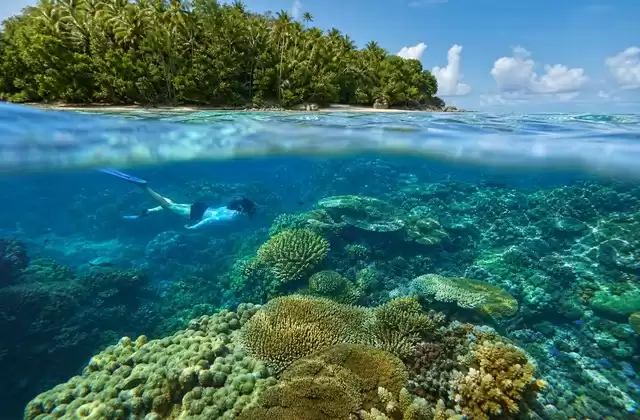
Chuuk lagoon boasts a similarly rich underwater environment. And there's more: almost 300 wrecks of planes, boats and other vehicles - those of the Japanese fleet that sank during the Second World War. The site is a feast for the eyes, and at the same time tells you a great deal about the history of Micronesia, which, like most of the Pacific islands, was severely affected by the war. Even on land, Chuuk bears the scars of war. Micronesia also offers a rare opportunity to swim with jellyfish at Jellyfish Lake in Palau's Chelbacheb Islands. With no defense system, the jellyfish in this lake are completely harmless, giving you the chance to enjoy this exceptional experience.
From a cultural point of view, Micronesia is just as fascinating. Take a close look at the Nan Madol ruins in Pohnpei, a unique megalithic city whose construction is shrouded in mystery. In Yap, traditional stone money is still used today. Nevertheless, the official currency is the dollar. The coins are fascinating in their size, up to 3.5 m in diameter, with the smallest measuring 30 cm. Here, traditions manifest themselves in everyday life, through songs and dances, tattoos proudly worn by the people, handicrafts such as flower necklaces and shell jewelry, basket weaving, sculpture and so on. This country plunges you into a whole new world, the authenticity of which is what makes it so beautiful!
Micronesia enjoys a humid tropical climate. Rain falls almost year-round, but the amount varies from period to period. With its moist, humid atmosphere, Micronesia enjoys an average temperature of 28°C year-round. From November to May, rainfall is particularly heavy. These are the wettest months of the year. Micronesia may experience cyclones in December and August, but not always. Considering the climate of Micronesia as a whole, the best time to visit is between December and May. For the islands located in the Western Zone of the country, particularly Yap, February, March and April are the best months for a trip to these islands in Oceania. For the Central Islands, which enjoy a drier climate than the rest of the country, the best time to visit is between December and February. But whatever the day's weather, every day spent in the country is an opportunity to discover the local culinary specialties that are an integral part of Micronesian culture. Discover the flavours of the land at the Oceanview Restaurant in Koloina, in the picturesque state of Yap.