 + 1 (786) 8400111


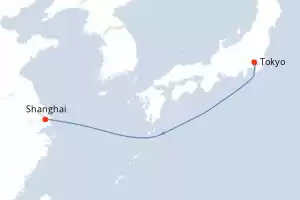
Itinerary : Tokyo, Shanghai

On-board meals included
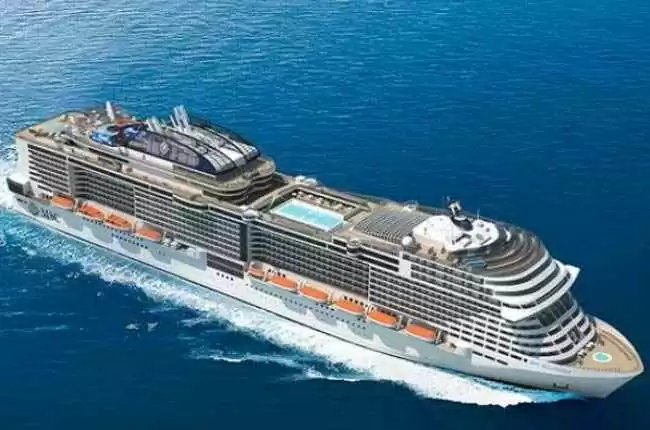
MSC Bellissima
4 d
Inside Stateroom
Tokyo
01/17/2027
from
US$ 316
On-board meals included
View offers


1 cruises found
A cruise on the Yangtze, also known as the Yangzi Jiang, takes travelers through China along its great river, passing Chongqing, the Three Gorges, monumental dams, cliffside temples, and rapidly changing cities.
The journey blends misty landscapes, cliffs, relocated villages, passages through locks, and vivid insights into contemporary China. It is a spectacular, culture-rich river cruise where the voyage itself becomes the thread connecting nature, engineering, and the river's memory.
Your search criteria:
Yangtze
Itinerary : Tokyo, Shanghai
MSC Bellissima
4 d
Inside Stateroom
Tokyo
01/17/2027
from
US$ 316


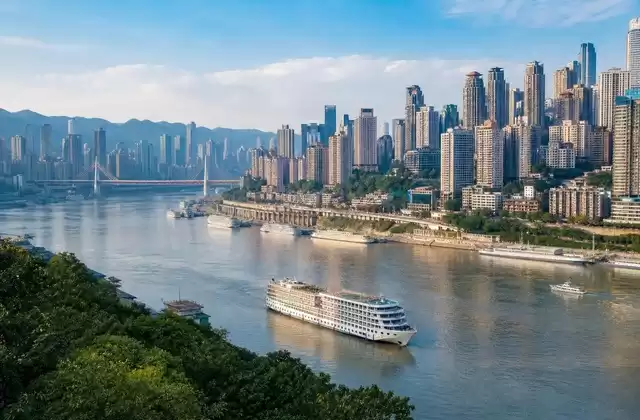
Boarding in Chongqing
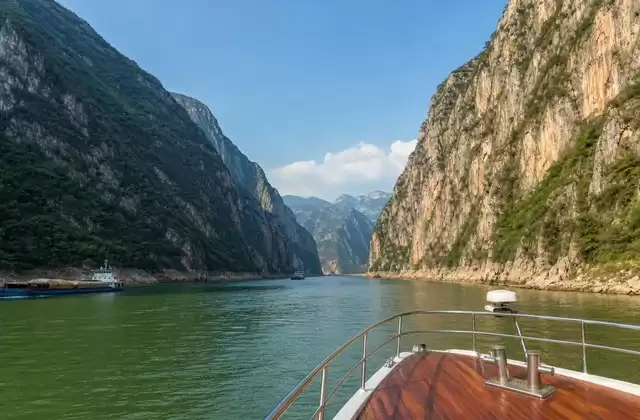
Sailing through Qutang Gorge
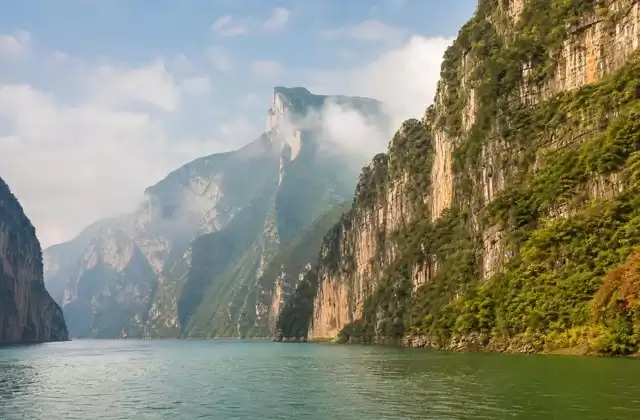
Traveling through Wu Gorge
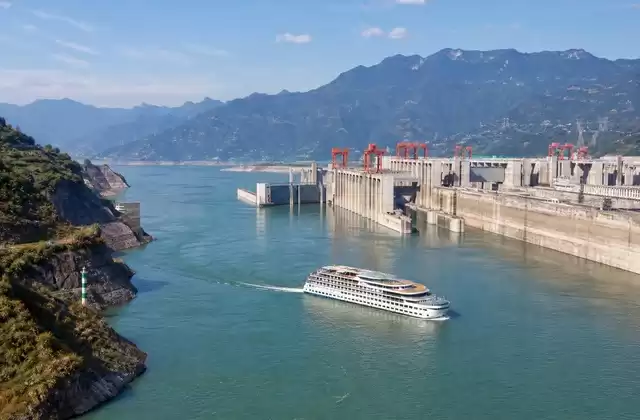
Exploring Xiling Gorge
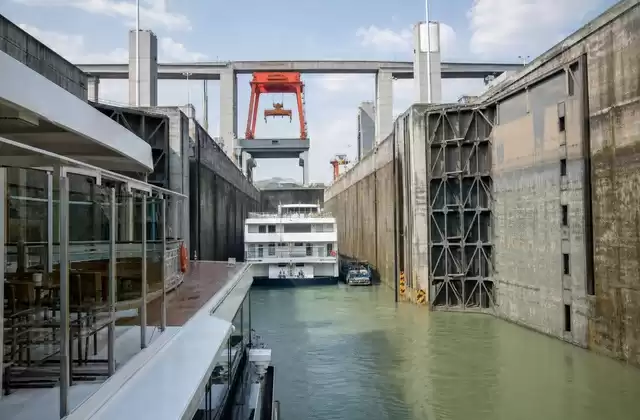
Passing through the dam locks
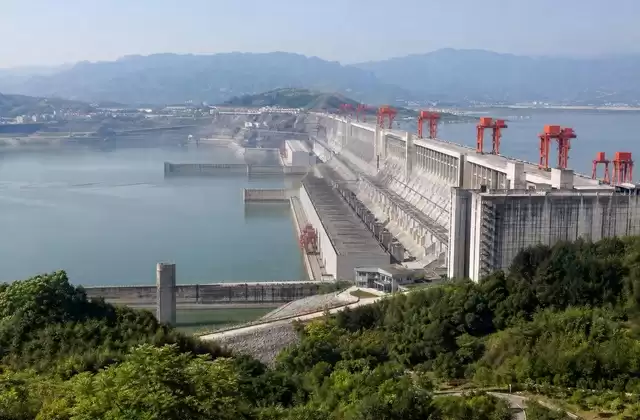
Visiting the Three Gorges Dam
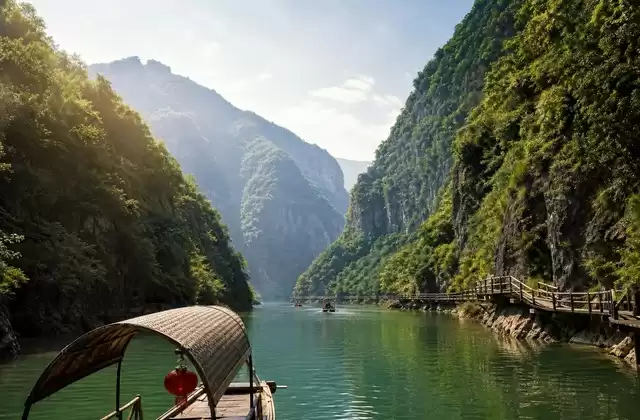
Exploring a tributary
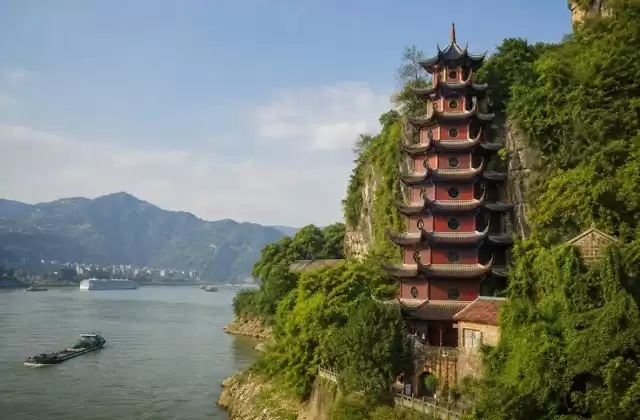
Temples and riverside sites
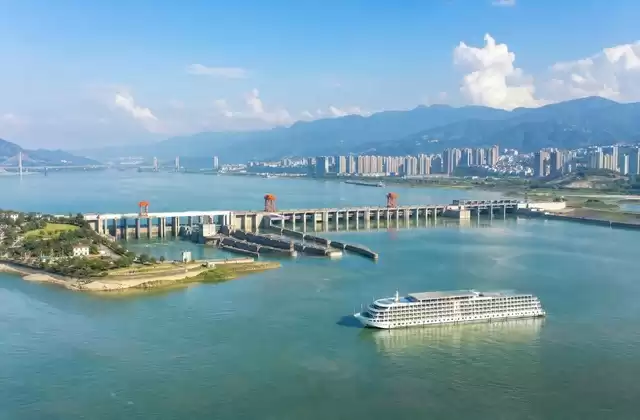
Yichang
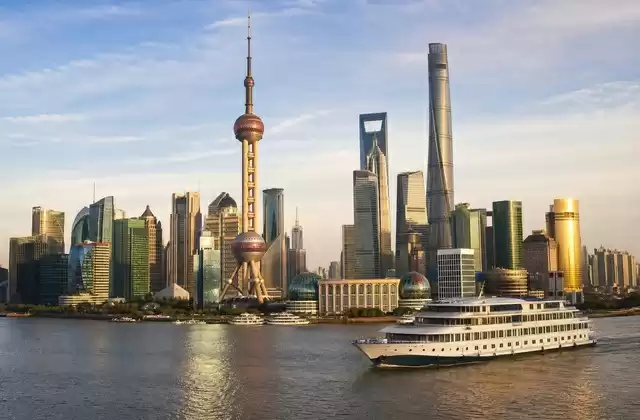
An extension to Shanghai or Beijing

Weather & conditions
Pleasant spring weather, green landscapes, and comfortable temperatures.
Expert advice
An excellent time for the gorges and excursions.

Weather & conditions
A warmer, more humid season, with possible rain.
Expert advice
The scenery is lush, but sightseeing can be more strenuous in the intense heat.
Weather & conditions
Clear fall weather is common, with milder temperatures and beautiful light.
Expert advice
One of the best times for a Yangtze River cruise.
Weather & conditions
Cooler and sometimes misty, with a quieter atmosphere.
Expert advice
Worth considering for travelers who prioritize cultural tours and fewer crowds.
| Season | Weather & conditions | Expert advice |
|---|---|---|
April–May Pleasant spring weather, green landscapes, and comfortable temperatures. An excellent time for the gorges and excursions. | ||
June–August | A warmer, more humid season, with possible rain. | The scenery is lush, but sightseeing can be more strenuous in the intense heat. |
September–October | Clear fall weather is common, with milder temperatures and beautiful light. | One of the best times for a Yangtze River cruise. |
November–March | Cooler and sometimes misty, with a quieter atmosphere. | Worth considering for travelers who prioritize cultural tours and fewer crowds. |
The Yangtze's highlights combine Three Gorges scenery, monumental engineering, and major cultural extensions in China.
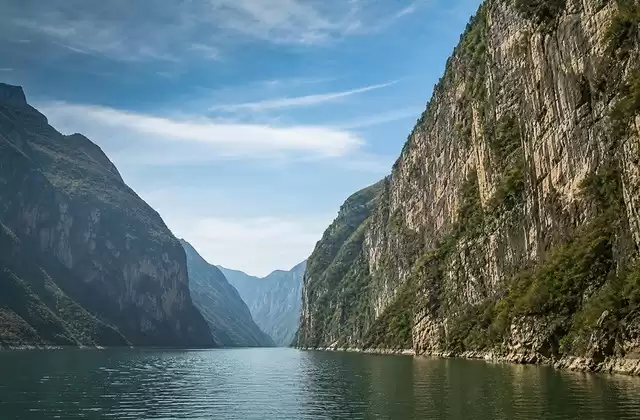
Qutang
For the narrowest and most spectacular passage.
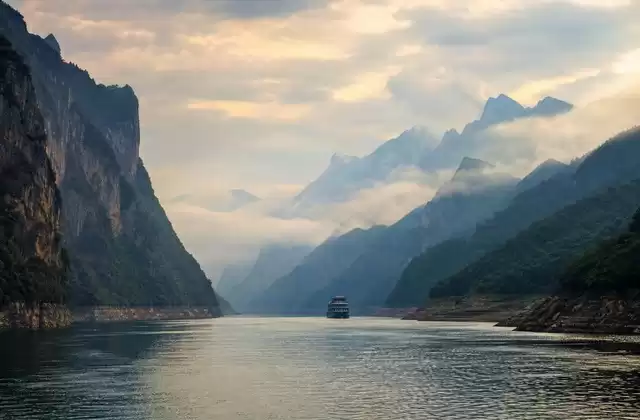
Wu
For the peaks, mist, and classic imagery of the river.
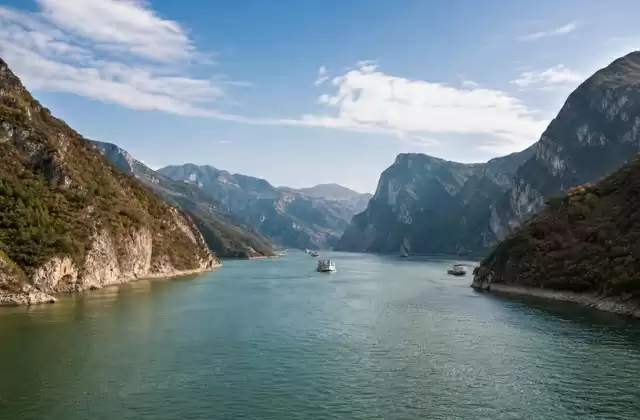
Xiling
For the final major stretch before the dam.
Qutang
For the narrowest and most spectacular passage.
Wu
For the peaks, mist, and classic imagery of the river.
Xiling
For the final major stretch before the dam.
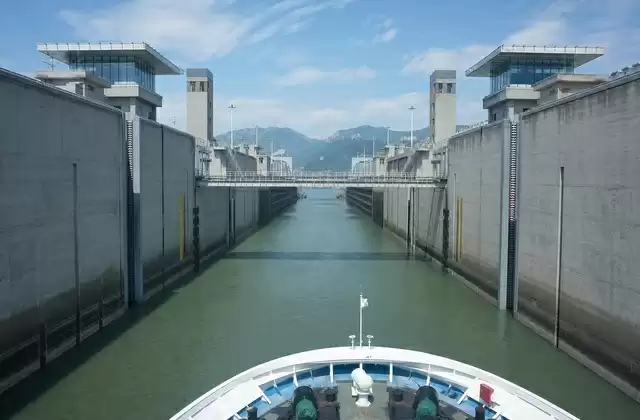
Dam locks
For a vivid and impressive cruising experience.
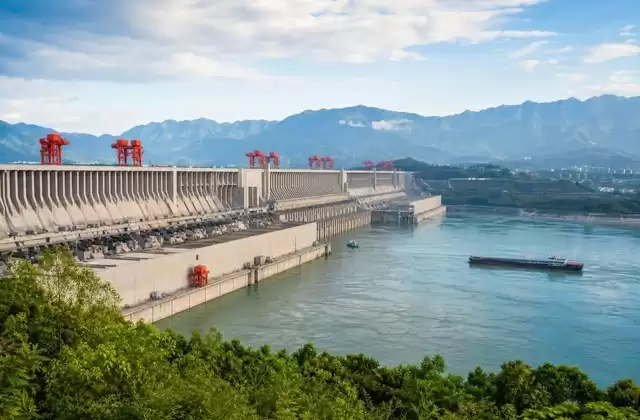
Three Gorges Dam
To understand the river's modern transformation.
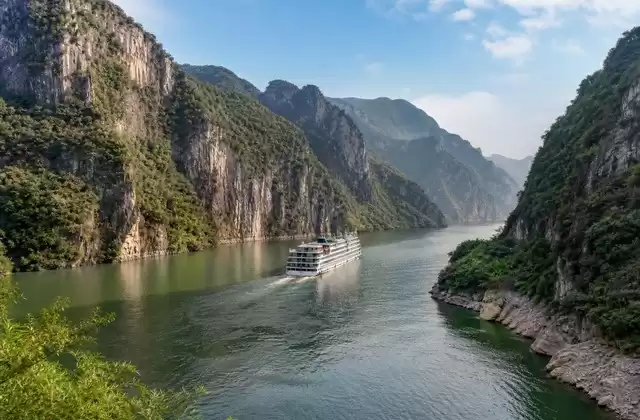
Tributaries
For narrower, calmer landscapes closer to the riverbanks.
Dam locks
For a vivid and impressive cruising experience.
Three Gorges Dam
To understand the river's modern transformation.
Tributaries
For narrower, calmer landscapes closer to the riverbanks.
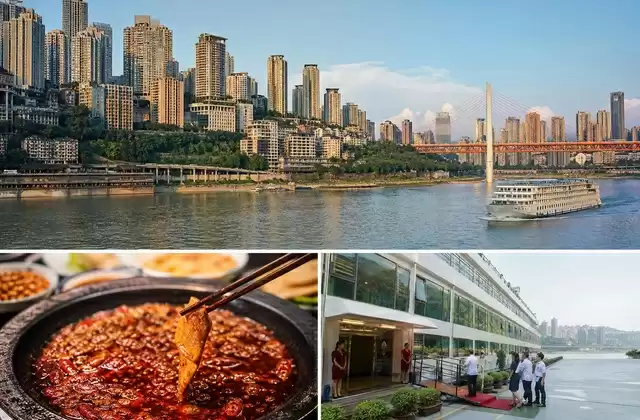
Chongqing
For the vertical cityscape, spicy cuisine, and boarding the ship.
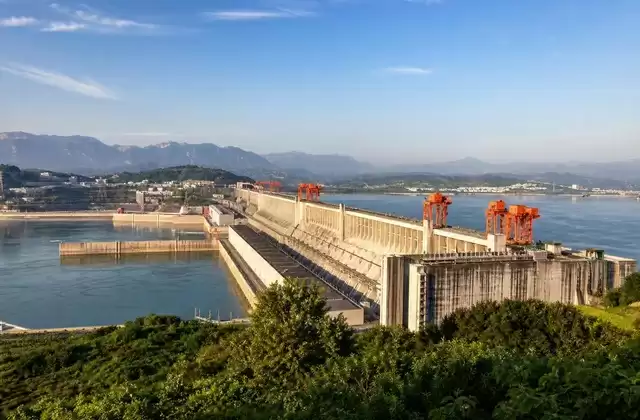
Yichang
For its connection to the dam and the gateway out of the gorges.
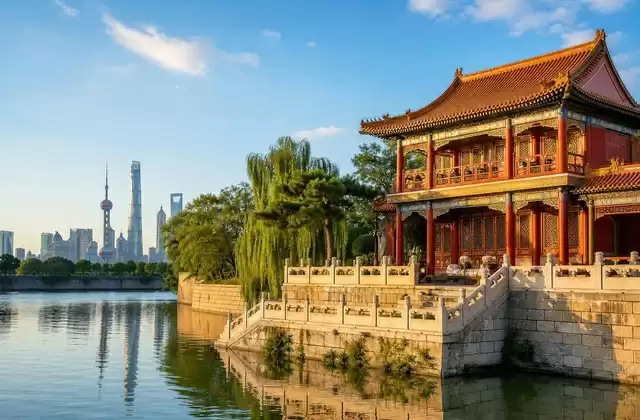
Shanghai, Beijing, or Xi’an
To complement the cruise with China's major cultural landmarks.
Chongqing
For the vertical cityscape, spicy cuisine, and boarding the ship.
Yichang
For its connection to the dam and the gateway out of the gorges.
Shanghai, Beijing, or Xi’an
To complement the cruise with China's major cultural landmarks.
Crossing the Three Gorges from the ship's deck
Travelers remember the sequence of cliffs, mist, and narrow passages. The river feels powerful in a way that is very different from European cruises.
Experiencing the dam locks
The sheer scale is almost as impressive as the gorges. The walls, chambers, and boat's slow progress bring the engineering vividly to life.
Combining the Yangtze with China's major sights
The cruise is often part of a broader journey. Beijing, Shanghai, Xi’an, or Chengdu offer a more complete picture of the country beyond the river.
Taking in Chongqing from the river as you depart
The city appears in layers of buildings, bridges, hills, and lights. This intensely urban opening contrasts sharply with the gorges that follow.
Taking a small boat along a tributary
The tributaries reveal a more intimate side of the Yangtze. Leaving the main river behind brings nearby cliffs, villages, and quieter landscapes into view.
Watching the mist lift in Wu Gorge
As the peaks gradually appear, the voyage takes on an almost painterly quality. It is one of the journey's most atmospheric moments.
Most itineraries concentrate on the middle Yangtze, linking Chongqing with Yichang through the Three Gorges. The scenery unfolds in sequence: the short, sheer Qutang; the sinuous, peak-lined Wu; and the longer Xiling near Yichang. Downstream (Chongqing→Yichang) is typically faster and shorter at three nights; upstream takes about one night longer because ships move against the current. Spring (mid-March–May) and autumn (mid-September–November) bring milder temperatures and better visibility; summer is hot and humid, while winter is calmer with fewer sailings. Photography rewards arrive as river bends reveal cliff faces and hanging villages; morning mist and haze are common, especially near Chongqing, nicknamed the “foggy city.” Occasional longer routes extend east beyond Yichang toward Wuhan, Nanjing, or Shanghai on select dates. Infrastructure shapes the experience: the Three Gorges Dam lies within Xiling Gorge, and navigation passes either the five-step locks or, when operating, the high-capacity ship lift.